
When Cells Remember What They Should Forget
In an ideal metabolic system, cells respond dynamically to their environment. When glucose rises, cells activate pathways to process it. When glucose normalizes, those emergency pathways deactivate. Function returns to baseline. The system resets. This dynamic responsiveness defines healthy metabolism—the ability to adapt to changing conditions and then return to equilibrium.
Long-term diabetes destroys this dynamic capacity. Cells exposed to years of elevated glucose develop what researchers call metabolic memory—a state where dysfunction persists even after the triggering conditions resolve. A patient who achieves normal glucose levels through intensive medication may still experience ongoing complications, progressive insulin resistance, and continued cellular damage. Their glucose meter shows improvement. Their cells continue behaving as if nothing has changed.
This phenomenon is not psychological or behavioral. It is biological memory encoded in cellular structures, gene expression patterns, and epigenetic modifications. The disease evolves beyond temporary imbalance into a condition where cells have learned dysfunction as their normal operating state and resist returning to healthy function even when given the opportunity.
"In Ayurveda, metabolic memory is understood as Sthira Ama — metabolic residue so deeply embedded in tissue structure that it persists long after its original cause is removed. Correction requires not just glucose control, but systematic tissue-level purification."
Ayurvedic Clinical Lens · Diabetes Reversal Clinic
Epigenetic Programming and Persistent Gene Expression
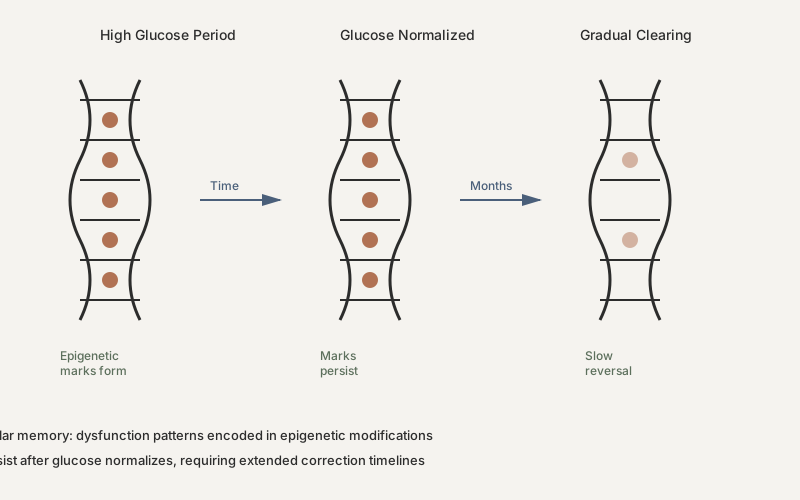
The primary mechanism underlying metabolic memory involves epigenetic changes—modifications to DNA and associated proteins that alter gene activity without changing the genetic code itself. When cells experience chronic hyperglycemia, chemical marks accumulate on DNA and histone proteins. Methyl groups attach to cytosine bases in gene promoter regions. Acetyl groups modify histone tails. These marks control whether specific genes remain active or silent.
In metabolic memory, genes involved in inflammation, oxidative stress, and cellular dysfunction acquire epigenetic marks that keep them permanently activated. Genes responsible for antioxidant defense, insulin sensitivity, and normal glucose metabolism acquire marks that keep them permanently suppressed. These modifications become stable and self-perpetuating. The cell maintains its altered gene expression profile even when the high-glucose environment that triggered those changes no longer exists.
What makes this particularly problematic is that epigenetic changes propagate through cell division. When a cell with metabolic memory divides, both daughter cells inherit the same dysfunctional epigenetic profile. The memory persists across cellular generations. Even as old damaged cells die and new cells form, the dysfunction continues because the new cells carry the same epigenetic programming as their predecessors.
Mitochondrial Damage as Cellular Memory
Mitochondria—the energy-producing organelles within cells—represent another critical site of metabolic memory. These structures have their own DNA separate from the cell nucleus, and this mitochondrial DNA is particularly vulnerable to damage from the oxidative stress generated during chronic hyperglycemia.
When mitochondrial DNA accumulates mutations, the organelle's ability to produce energy becomes permanently impaired. Unlike nuclear DNA, which benefits from sophisticated repair mechanisms, mitochondrial DNA repair capacity is limited. Damage persists. Dysfunctional mitochondria replicate, passing their damaged DNA to daughter mitochondria. Over time, the cellular population of mitochondria becomes dominated by damaged organelles that cannot efficiently convert glucose to energy.
This mitochondrial dysfunction creates a form of cellular memory where energy metabolism remains impaired regardless of current glucose levels. The cell has lost the machinery needed for normal glucose processing. Adding more glucose or more insulin cannot restore function that depends on mitochondrial structures that no longer exist in healthy form. The cell remembers years of oxidative damage through the permanent loss of functional mitochondria.
Advanced Glycation Products and Structural Memory
Advanced glycation end products—proteins and lipids that have been irreversibly modified by glucose molecules—accumulate throughout the body in long-term diabetes. These molecules represent a form of structural memory embedded in tissues. Once formed, they persist for extended periods determined by the natural turnover rate of the proteins they've modified.
Glycated proteins in blood vessel walls remain for months. Glycated collagen in connective tissue can persist for years. These modified molecules continue to trigger inflammatory responses and interfere with normal cellular function long after glucose levels normalize. They bind to receptors that activate inflammatory signaling. They create cross-links that reduce tissue flexibility. They generate ongoing oxidative stress through chemical reactions that continue independently of current metabolic state.
The body can only clear these accumulated products slowly, through normal protein degradation and replacement. But in patients with metabolic memory, the cellular machinery responsible for protein turnover often functions suboptimally due to the same dysfunction that allowed the glycation to occur initially. The memory persists partly because the mechanisms needed to clear it are themselves impaired.
Immune System Memory and Chronic Inflammation
The immune system also develops memory in diabetes, but this is memory of dysfunction rather than protection. Chronic exposure to high glucose and damaged cellular components trains immune cells—particularly macrophages and T-cells—into a state of persistent activation. These cells release inflammatory cytokines continuously, creating low-grade systemic inflammation that persists even after metabolic conditions improve.
Immune memory in diabetes operates through changes in immune cell populations and their activation states. Pro-inflammatory macrophages increase in number and maintain heightened reactivity. These cells respond to minor stimuli with exaggerated inflammatory responses. They infiltrate tissues and release molecules that interfere with insulin signaling and damage cellular structures.
Reversing this immune memory requires not just glucose normalization but active intervention to reprogram immune cell populations—shifting them from inflammatory to regulatory phenotypes, reducing chronic activation, restoring normal immune homeostasis. This process operates on timelines determined by immune cell lifespan and turnover, which can extend to months or years for certain immune populations.
Clinical Implications of Metabolic Memory
The existence of metabolic memory explains one of the most frustrating aspects of diabetes management: why improved glucose control often fails to halt complications. Studies of intensive glucose management show that while strict control prevents new damage, it often cannot reverse damage already established. Patients who normalize their HbA1c after years of poor control continue developing complications at rates higher than those who never experienced prolonged hyperglycemia.
This is not failure of glucose control. It is the inevitable consequence of cellular memory. The damage occurred years ago. The memory persists now. Current glucose readings, while important for preventing additional damage, cannot erase what has already been encoded in cells, tissues, and organ systems.
Understanding metabolic memory should fundamentally change treatment expectations and approaches. Aggressive attempts to rapidly normalize glucose in patients with long disease duration may improve numbers without addressing underlying cellular dysfunction. What becomes necessary is intervention designed specifically to reverse metabolic memory—work that operates at epigenetic, mitochondrial, and immune levels rather than simply suppressing glucose expression.
Reversing Memory Requires Time and Systemic Intervention
If metabolic memory develops over years of exposure to dysfunction, its reversal cannot occur in weeks or months. Epigenetic marks must be gradually removed and replaced with healthier patterns. Damaged mitochondria must be cleared and replaced through mitochondrial biogenesis. Glycated proteins must degrade and be replaced with normal proteins. Immune cell populations must turn over and reprogram.
Each of these processes operates on distinct biological timelines. Some epigenetic modifications can shift within months under appropriate conditions. Others require years. Mitochondrial turnover varies by tissue type—rapid in some organs, extremely slow in others. Protein replacement depends on individual protein half-lives, which range from days to years.
Progressive correction that respects these timelines offers the only realistic path to addressing metabolic memory. This work cannot be rushed. It requires creating internal conditions where cells can slowly shift from dysfunctional to functional epigenetic programming, where mitochondrial health can gradually improve, where inflammatory memory can resolve. The body possesses the capacity for this repair, but it requires time, appropriate support, and respect for biological complexity. Ayurvedic perspective: Ayurveda addresses this layered cellular memory through sequential tissue restoration — working through each Dhatu layer in the order it was damaged, allowing the body's own repair capacity to gradually reassert normal function.