
The Proper Sequence: Function First, Medication Second
Medication reduction represents one of the most objective markers of genuine diabetes reversal. Where escalating medication signals progressive internal failure, decreasing medication while maintaining or improving control demonstrates restored internal capacity. But the sequence is critical: medication reduction must follow documented internal improvement, never precede it.
This sequence reflects fundamental biology. Medications compensate for lost metabolic function. They do necessary work that failing organs cannot perform. Removing that pharmaceutical support before organs have regained capacity to perform the work themselves creates dangerous metabolic instability. The body cannot suddenly self-regulate when it lacks the functional machinery to do so.
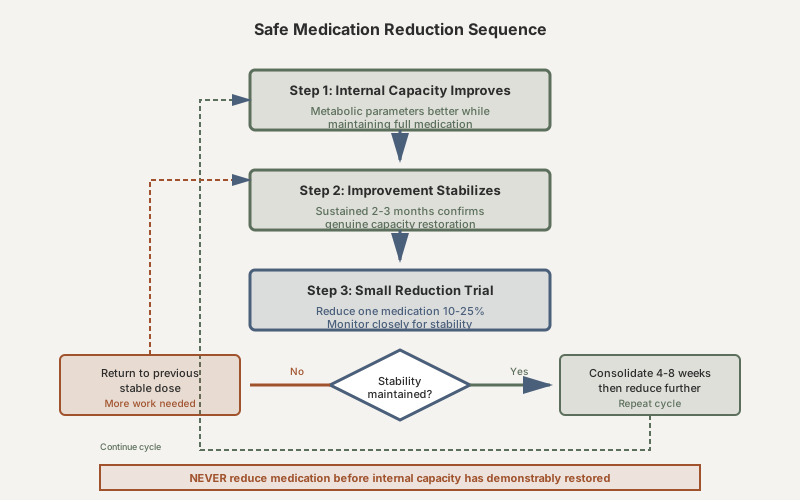
Proper medication reduction proceeds through clear stages: first, metabolic parameters improve while maintaining full medication support; second, improvement demonstrates stability over weeks to months, confirming it reflects genuine capacity restoration rather than temporary fluctuation; third, medication reduces incrementally while monitoring confirms maintained stability; fourth, further reduction awaits additional capacity improvement. Each step builds on demonstrated capability.
This conservative approach frustrates patients eager to eliminate medications immediately. But premature reduction followed by metabolic crisis and medication resumption at higher doses proves far more frustrating than gradual reduction that proceeds safely and sustainably. Respecting biological sequence prevents rebound failures that aggressive reduction creates.
"In Ayurvedic practice, medication reduction is not a goal — it is a consequence. When Agni is restored, Ama is cleared, and Dhatu function rebuilds, the body's need for external pharmaceutical support diminishes naturally. Reduction follows internal change; it does not precede it."
Ayurvedic Clinical Lens · Diabetes Reversal Clinic
Evidence of Internal Capacity Restoration
Before reducing any medication, clear evidence must demonstrate that internal function has improved sufficiently to handle reduced pharmaceutical support. This evidence varies by medication class but generally includes sustained improvement in target parameters, reduced glucose variability, improved stress tolerance, and clinical signs of enhanced metabolic resilience.
For insulin reduction, rising C-peptide levels indicate recovering pancreatic function. Decreasing insulin requirements to maintain same glucose control suggests improved peripheral insulin sensitivity. Reduced hypoglycemia frequency despite lower insulin doses demonstrates better metabolic stability. These markers confirm the pancreas and peripheral tissues can handle greater metabolic burden.
For insulin sensitizers like metformin, improving fasting glucose despite stable or reduced dose indicates enhanced hepatic insulin sensitivity. Better post-meal glucose excursions suggest improved peripheral glucose disposal. Declining triglycerides and rising HDL reflect metabolic improvements beyond glucose alone. These changes document genuine metabolic restoration rather than mere pharmaceutical effect.
The key principle: parameters must improve before medication reduces. If glucose control improves, wait for that improvement to consolidate over months, then consider medication reduction. If medication reduces first and glucose improves, that likely reflects inadequate previous treatment rather than genuine reversal—and improvement will likely prove temporary.
Incremental Reduction With Monitoring
Medication reduction should proceed in small, well-monitored increments. Cutting doses in half or eliminating medications entirely risks overwhelming recovery capacity. A 10-25% dose reduction allows assessment of whether internal capacity can maintain stability with modestly reduced support. If stability persists through the reduction, further reduction becomes appropriate after consolidation period.
The consolidation period between reductions is essential. It confirms that stability at the new lower medication level reflects sustainable internal capacity rather than temporary compensation. Rushing from one reduction to the next without consolidation means discovering inadequate capacity only after multiple reductions have occurred—requiring larger medication increases to reestablish control.
Monitoring intensity increases during and after reduction. Glucose checks become more frequent. Symptom tracking intensifies. Clinical evaluation occurs at shorter intervals. This vigilance allows rapid identification of inadequate capacity, enabling quick medication adjustment before dangerous destabilization occurs. The monitoring burden is temporary but essential for safety.
If a reduction proves excessive—glucose control deteriorates, symptoms emerge, instability increases—medication should return to the previous stable level without judgment or disappointment. The attempt provided valuable information about current capacity limits. It does not represent failure but rather appropriate conservative boundary testing. Further internal improvement will eventually allow successful reduction.
Which Medications Reduce First
When patients take multiple medications, reduction sequence matters. Generally, medications with highest side effect burden or those least essential for current metabolic state reduce first. Medications providing critical metabolic support reduce last, and only after substantial internal capacity restoration confirms they are no longer necessary.
Sulfonylureas often reduce early if pancreatic function is recovering. These medications force insulin secretion, potentially stressing recovering beta cells. As C-peptide rises indicating natural secretion improvement, sulfonylureas become unnecessary and potentially counterproductive. Their reduction reduces pancreatic stress while confirming improved endogenous insulin production.
Insulin reduction requires extreme caution. Type 2 diabetics on insulin have usually progressed to substantial pancreatic insufficiency. Insulin reduction is possible only when clear evidence demonstrates recovering pancreatic function combined with markedly improved peripheral insulin sensitivity. Even then, reduction proceeds very gradually with intensive monitoring. Complete insulin elimination is rare in long-standing disease.
Metformin often persists longest. It provides beneficial effects beyond glucose lowering—anti-inflammatory properties, potential longevity benefits, cardiovascular protection. Unless side effects are problematic, maintaining metformin even after other medications have reduced is reasonable. It represents sustainable long-term metabolic support rather than aggressive intervention requiring elimination.
The Danger of Premature Reduction
Reducing medication before internal capacity has adequately restored creates multiple dangers. Most obviously, glucose control deteriorates—sometimes acutely and severely. Patients who were stable may experience dangerous hyperglycemia requiring urgent intervention and medication resumption at doses higher than before reduction.
Beyond immediate glucose effects, premature reduction can damage recovering organs. Beta cells stressed by forced increased secretory demand may exhaust and undergo apoptosis. Hepatic insulin resistance may worsen from chronic glucose exposure. The nascent recovery process can be set back substantially, requiring months to return to pre-reduction capacity levels.
Psychologically, failed reduction attempt demoralizes patients. They may conclude that reduction is impossible, that reversal is not occurring, that continued effort is futile. This demoralization risks treatment abandonment. Understanding that premature reduction—not lack of reversal potential—caused the failure is critical, but patients often interpret failed reduction as definitive evidence they cannot improve.
Additionally, the rebound often exceeds initial levels. Patients may require medication doses higher than before reduction attempt, creating the appearance of worsening disease. This pattern reflects temporary metabolic destabilization from premature reduction rather than disease progression, but distinguishing the two clinically can be difficult.
Physician-Guided vs Self-Directed Reduction
Medication reduction must proceed under close physician supervision. Self-directed reduction based on feeling better or desire to be medication-free risks dangerous errors. Physicians assess objective evidence of capacity restoration, determine safe reduction increments, establish appropriate monitoring protocols, and quickly intervene if problems emerge.
Some physicians resist reduction even when appropriate, having been trained that diabetes is inevitably progressive and medication requirements always increase. Patients may need to advocate for reduction trials when evidence supports them. But advocacy differs from independent action—the discussion should be with the physician, not a decision to independently reduce without medical oversight.
Optimal management involves physicians who understand reversal principles and recognize medication reduction as appropriate goal when internal capacity demonstrates restoration. These physicians proactively reassess medication necessity as patients improve, initiating reduction trials at appropriate times. Finding such physicians may require effort, but their expertise proves essential for safe reduction.
Maintenance Medication vs Temporary Support
Not all diabetes medications need eventual elimination. Some provide ongoing metabolic support that complements restored internal function rather than replacing it. The distinction between temporary support requiring elimination and maintenance support worth continuing indefinitely matters for realistic expectations.
Temporary support includes medications compensating for lost function that can potentially regenerate: sulfonylureas forcing secretion from fatigued beta cells, high-dose insulin replacing insufficient endogenous production, aggressive glucose-lowering required only because internal regulation has failed. As function restores, these become unnecessary.
Maintenance support includes interventions providing benefit even to relatively healthy metabolism: metformin's insulin-sensitizing and anti-inflammatory effects, blood pressure control in patients with genetic hypertension tendency, lipid management for those with familial dyslipidemia. These medications address factors beyond diabetes reversal alone.
The goal is not zero medications but rather minimum necessary medication. A patient reducing from six diabetes medications to one maintenance medication has achieved dramatic reversal even though medication continues. The single remaining medication provides sustainable long-term support rather than aggressive compensation for failed organs. That represents success.
Using Reduction as Assessment Tool
Attempted medication reduction, even when unsuccessful, provides valuable information about current reversal status. If reduction maintains stability, internal capacity has improved sufficiently. If reduction causes instability, more work is needed before that medication can reduce. The outcome guides ongoing intervention strategy.
This assessment approach requires interpreting failed reduction as data rather than defeat. The trial demonstrated that specific capacity restoration has not yet occurred. It identified where additional corrective work should focus. It confirmed that other improvements that did occur are real—those medications that did successfully reduce demonstrate genuine capacity gains.
Serial reduction attempts over months to years map recovery trajectory. Initial attempts may fail. Six months later, the same reduction may succeed. The difference reflects the intervening internal capacity restoration. This trajectory provides objective evidence that reversal work is progressing even when day-to-day changes feel imperceptible. Ayurvedic perspective: This sequencing principle — internal restoration first, external support reduction second — is fundamental to Ayurvedic clinical logic and explains why premature reduction, however appealing, consistently produces relapse.